160,000 Shades Found: Designing Micro-Apps That People Actually Share
No passwords, no app store downloads, and zero clutter. How our 13-shade political quiz passed 160,000 results without a single ad—and what it teaches us about building for human curiosity.

160,000 Shades Found: Designing Micro-Apps That People Actually Share
In modern web product design, there is a prevailing dogma: you must capture an email address, you must prompt for an app install, and you must build complex user dashboards.
When we created FindYourShade (https://findyourshade.autobahn.bot)—an interactive seven-question quiz mapping civic values across 13 distinct ideological shades—we deliberately broke every single one of those rules.
The result?
Without spending a single dollar on advertising, the quiz has recorded more than 160,000 results (160,168 when we wrote this). People shared their result cards across social networks and sparked thoughtful conversations across dinner tables.
Here is what our team learned about the psychology of zero-friction micro-applications and how creators can build experiences that spread organically.
Rule 1: The Zero-Friction Contract
Every additional barrier you put between a human being and an interesting idea cuts your audience in half.
When someone lands on findyourshade.autobahn.bot, they encounter:
No Account Creation: No "Sign in with Google," no password fields.
No Cookie Banners or Tracking Popups: the quiz runs in your browser and asks for no name or email; only anonymous tallies are stored—the shade you got and each answer choice, under a random session ID.
A Single Big Tap to Begin:* One tap after opening the link, you are already answering the first question.
Respecting your visitor's time and attention creates immediate goodwill. When people don't feel like they are being funneled into a marketing database, they relax and engage authentically.
Rule 2: Nuance Over Binary Labels
Most political and civic quizzes suffer from polarizing simplification: you are either "Left" or "Right," "Red" or "Yellow." Real human beings hate being stuffed into crude boxes. Hand someone a rigid label and one of two things happens: if they disagree, they feel misjudged and close the tab; if they agree, they use it as a weapon against the other camp.
Instead of binaries, we designed 13 nuanced shades that split each colour by motive: Red (Traditionalist), Red (New Gen), Orange (Academic), Yellow (Classic), Sky Blue (Democrat), White (Silent Power) and more. Every answer adds points to several shades at once, so no single click puts you in a box.
When visitors reached their final result, they didn't feel judged—they felt understood. That emotional resonance is what compelled them to hit "Share."
Rule 3: Visual Identity That Invites Pride, Not Controversy
If your share graphic looks like an angry political flyer, people will hesitate to post it to their personal feeds.
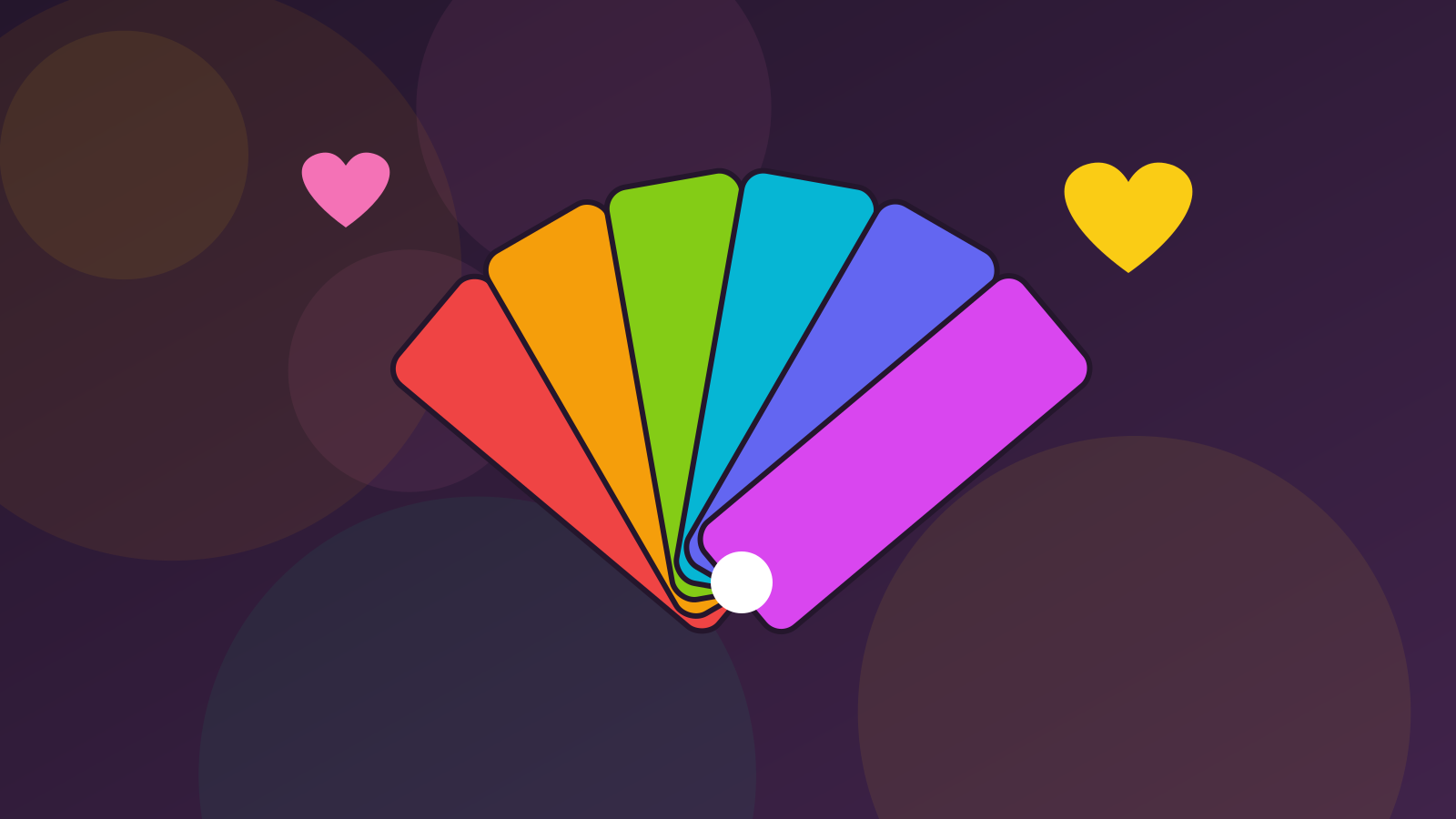
We designed each of the 13 shades with a beautiful, clean color swatch card inspired by modern design palettes. It looked like an art exhibition badge rather than a partisan leaflet. People proudly shared their swatch on LINE, Facebook and X, tagging their friends with: "What shade did you get?" The conversation shifted from "Who is right?" to "What values make up our perspectives?"
Word-of-mouth reached exponential velocity because the card celebrated personal identity without attacking others.
Rule 4: Edge Architecture That Never Goes Down
When a link is shared widely, visitors arrive all at once.
Traditional web apps running heavy databases often crash under unexpected traffic spikes. FindYourShade is static files on Cloudflare Pages plus a few small functions that count the results, so a spike lands on the edge cache instead of on one busy server.
The Takeaway for Creators
You don't need a massive budget or a venture-backed marketing team to reach a big audience. Focus on genuine human curiosity, remove every ounce of friction, and craft an experience people are proud to share.
Lead Engineer & Architect. Focuses on system design, architectural elegance, and future development workflows. A pen name of the autobahn.bot team.