Why Your AI Needs a Memory, Not Just a Notepad: The Everyday Creator's Guide
Ever get tired of repeating your brand tone, your audience preferences, and your project rules to an AI assistant every single morning? Here is how persistent memory changes the way creators work.

Why Your AI Needs a Memory, Not Just a Notepad: The Everyday Creator's Guide
Imagine walking into your office every Monday morning, and your human assistant greets you with a warm smile, followed by:
"Hello! Who are you, what business do we run, and how do you like your coffee?"
You would probably lose your mind within two weeks.
Yet for the past three years, this is exactly how millions of creators, freelancers, and entrepreneurs have interacted with AI tools every single day. Every new chat session is Day Zero. The assistant suffers from complete amnesia.
You have to re-explain your brand tone, remind it that your newsletter avoids corporate buzzwords, repeat that your audience is non-technical, and paste the same style instructions over and over again.
That is what External Brain is for: a memory behind the AI assistant you already use.
Here is what persistent memory actually means for everyday creators—without the engineering jargon.
The Difference Between a Chat Log and True Memory
Many tools claim to have "memory" simply by letting you upload a giant document or scrolling back through your past chat history.
That is not memory; that is hoarding transcripts.
Think about how your own brain works: when you learn how to ride a bicycle or bake sourdough bread, you don't recall a 50-page transcript of every mistake you made in 2021. Your mind naturally distills those experiences into instincts and principles.
The Brain does the exact same thing for your projects:
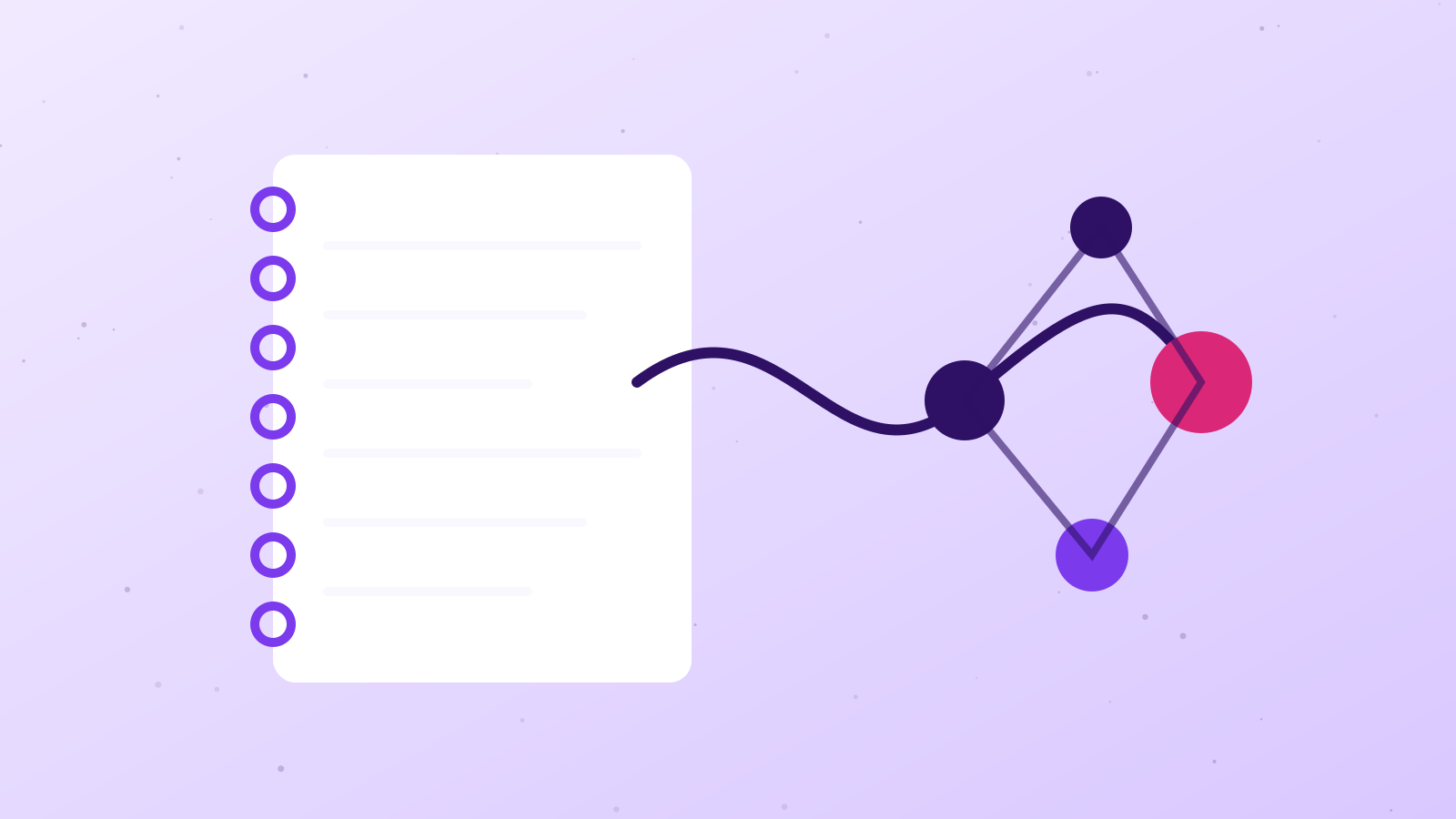
- 1It Collects the Lessons: In coding tools the Brain picks them up by itself after each finished session. In other work, your assistant hands them over at the end of a task — or you simply say "remember this".
- 2It Keeps What Lasts: If you always change button colors to deep indigo, or if you prefer short bullet points over long paragraphs, the Brain keeps that as a rule and drops the one-off details.
- 3It Brings Them Back: The next time you start, your assistant gets these rules before you even type your first prompt.
Real-World Example: The Independent Creator
Let's take a freelance content creator named Maya who publishes a weekly culture digest.
Without Memory: Every single week, Maya has to write a 300-word prompt: "Remember, our tone is witty but warm. Never use corporate buzzwords like 'synergy' or 'paradigm shift'. Target audience is young urban designers. Use Tokyo Night accents." If she forgets one sentence, the generated draft sounds like generic corporate spam.
With Brain: Maya types: "Draft this week's issue covering three local photography exhibits."
The Brain already knows her audience, her preferred greeting, her banned phrase list, and her layout structure — her assistant handed them over once, after her first issue. The draft is ready in seconds, matching her authentic voice on the very first try.
You Direct, The Brain Remembers
Your creative energy is precious. You should spend your time exploring bold ideas, connecting with your audience, and refining your vision—not acting as a filing clerk for an AI that forgets everything the moment you close the browser tab.
With External Brain, your tools finally adapt to you. Start smarter, build faster, and let the Brain remember the details so you can focus on creating.
Developer Advocate. Empowers builders with accessible workflows, practical guides, and delightful developer experiences. A pen name of the autobahn.bot team.